
Author: PestDirect

Winter Pest Surge: Winter Pest Behaviour Explained

WHAT DRIVES THE WINTER PEST SURGE IN AUSTRALIAN HOMES.

After a long pause, The Daily Pest is back. Australia is experiencing a clear winter pest surge, with common household pests becoming more active as tempretures drop.

From rodents looking for warmth to termites feeding under insulated slabs, winter is one of the most misunderstood seasons for home protection.

The winter pest surge isn’t new, but its becoming more noticeable as homes stay warmer and better sealed.

A QUICK LOOK AT WHAT'S MOVING INSIDE AUSTRALIAN HOMES.

Cockroaches!
Winter is peak indoor season.

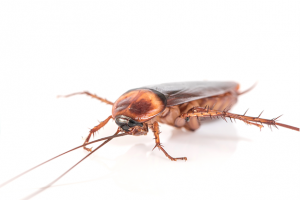
Cockroach on a surface highlighting typical household cockroach activity during warmer months.

Cockroaches do not disappear in winter. They move deeper indoors.

Warm appliances, hot water systems and closed homes create ideal winter hiding spots.

What to look for:

  • Night‑time kitchen activity
  • Droppings in cupboards
  • Increased sightings after rain

WHY WINTER MATTERS:  
Cockroaches breed slower but survive longer. Winter is the best time to break the cycle with baits and gels.


Rodents!
The winter migration is in full swing.

Rat inspecting food ona kitchen sink illustrating common rodent activity around homes.

As tempreatures drop, rodents move into roof voids, garages and wall cavities

Common winter signs:

  • Scratching in ceilings
  • Chewed food packaging
  • Droppings in pantries or sheds

WHY WINTER MATTERS:  

Rodents breed indoors during winter. A small problem can become a full infestation quickly.

Termites!
Still active and still feeding.

Worker termites on damaged timber showing active termite feeding and wood destruction.

A major Australian myth is that termites  slow down in winter. They do not relocate to ensure colony survival.

Insulated slabs, subfloors and wall cavities stay warm enough for termites to feed all year.

Winter warning signs:

  • Soft or hollow timber
  • Mud tubes
  • New activity in bait stations

WHY WINTER MATTERS:  

Homeowners check their homes less often in winter. This gives termites months of uninterrupted feeding.

Bees and Small Hive Beelte!
Winter does not mean zero activity.

Close‑up of bees on a hive frame showing small hive beetle activity inside the colony.

Healthy hives cluster tightly in winter, but Small Hive Beetle can still cause issues.

The early autumn condtions we had can also carry problems into the colder months.

Beekeepers should watch for:

  • Weak winter clusters
  • Beetles hiding in corners
  • Larvae in comb if hives are stressed

WHY WINTER MATTERS:  

Rodents breed indoors during winter. A small problem can become a full infestation quickly.

Spiders!
Moving indoors for warmth.

Spider sitting in the corner of a house wall, showing a common indoor hiding spot.

Winter drives spiders into bedrooms, garages and living areas as they search for stable temperatures – moving into insulated roof voids as they seek warmth.

Expect to see:

  • Huntsman movement
  • Webbing in corners
  • Activity in sheds and garages

WHY WINTER MATTERS:  

Winter is the best time to treat eaves, skiting board and storage areas before spring breeding begins.

HAVE QUESTIONS OR NEED ADVICE?

GET IN TOUCH

sales@pestcontroldirect.com.au

© 2026 All Rights Reserved.

Spring into cockroach control!

Close‑up of a cockroach

The weather is beginning to warm up! We all start to feel that sudden burst of energy to give our homes a well-needed spring clean! You can hear the birds chirping, butterflies fluttering and the incredible fresh perfume smells of jasmine oozing through the windows. It’s a beautiful time of the year.

Spring is also the time when pests like cockroaches set out of their winter hibernation, on the lookout for food. They seek out warm, dark hiding spots which means your home is at risk of an infestation. Warmer weather encourages cockroaches to breed very fast, therefore, there may be even more in your home without you knowing it!

Without question, one of the best products available for cockroach control is Topbait™ Plus. Developed and manufactured in Australia by our very own onsite entomologist, this gel bait combines an attractive food source with a potent active ingredient. Cockroaches will often start to feed on the gel bait within minutes of an application and will then die within a few hours.

Cockroaches in harbourages will readily eat dead individuals or the faeces of individuals that have ingested Topbait™ Plus, ensuring it is widely transmitted throughout the colony, producing a domino effect.

Lab and field trials show that the active ingredient will be transferred from one cockroach to the next, this effectively extends the coverage of the Topbait™ Plus.